There are many stinging insects in North Carolina, but most folks don’t know which ones sting and theres often a few surprises. It usually starts with one sting. A sharp, burning jab that might catch you completely off guard: on your arm, neck, or ankle. Maybe it’s from a yellow jacket while you're pulling weeds. Perhaps a paper wasp is circling beneath the porch roof. Occasionally you don’t even see the insect before it hits you.
If you’ve been stung by an insect around your home in North Carolina, you’re far from alone. In fact, North Carolina is home to several species of stinging insects, some more aggressive than others. From bees and wasps to hornets and even fire ants, these stinging pests are often more than just a summer nuisance.
And while many of these insects are beneficial insects—pollinators, natural pest controllers, and essential parts of our ecosystem, they can still pose real problems, especially when they build nests near your home or in places like your attic, wall cavity, or under the eaves.
Common Types of Stinging Insects in NC
Let’s walk through the most common types of stinging insects in North Carolina. Learning to identify and manage them is key to preventing future problems.
Yellow Jackets
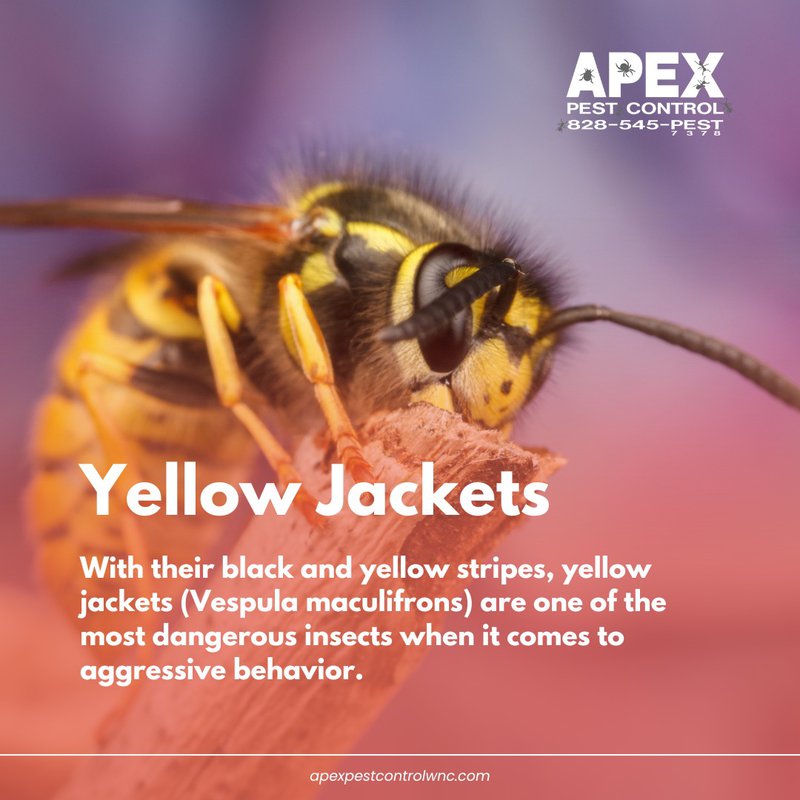
With their black and yellow stripes, yellow jackets (Vespula maculifrons) are one of the most dangerous insects when it comes to aggressive behavior. These social insects nest underground or inside wall cavities. They sting repeatedly and, in defense of their nests, often swarm when disturbed. A yellow jacket sting can be painful, and for some, it can lead to severe allergic reactions or even anaphylactic shock.
Paper Wasps
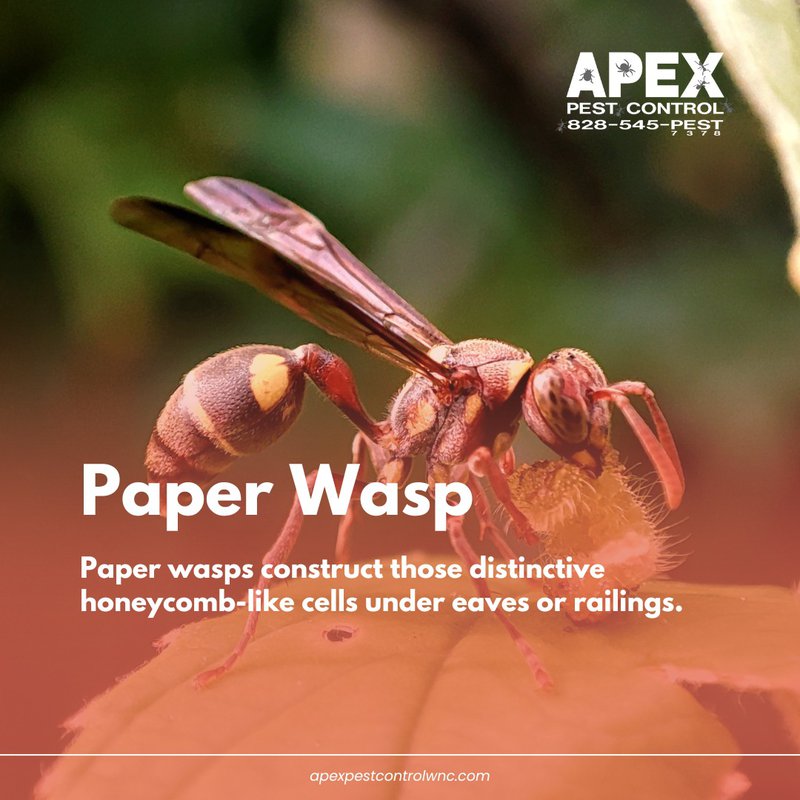
Paper wasps construct those distinctive honeycomb-like cells under eaves or railings. While typically less aggressive, certain wasp species will attack if you get too close. You may notice small holes around entry points—an early warning that a nest is nearby.
Bald-Faced Hornets
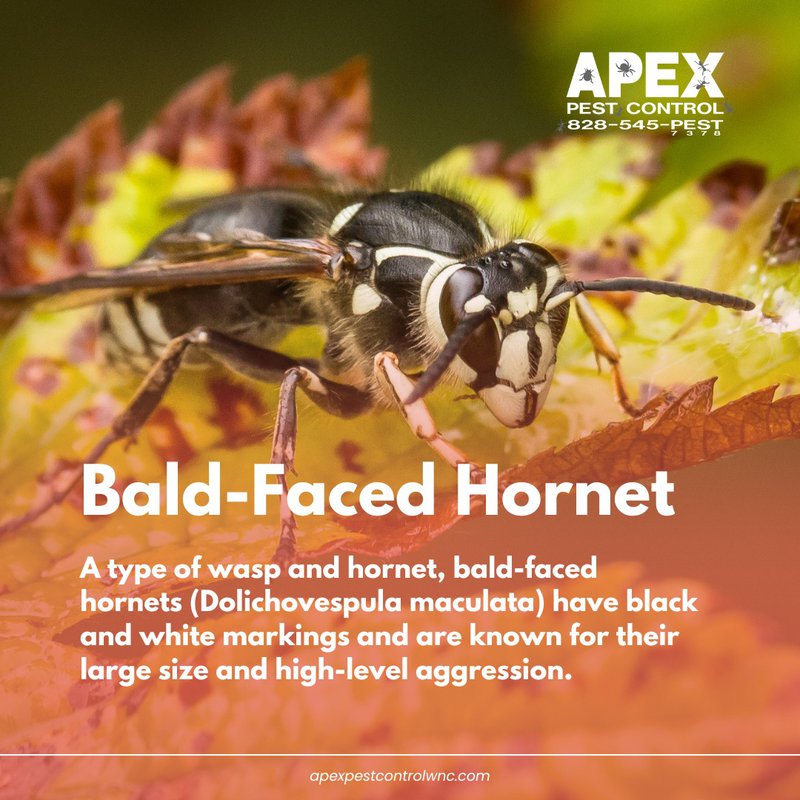
A type of wasp and hornet, bald-faced hornets (Dolichovespula maculata) have black and white markings and are known for their large size and high-level aggression. They build their nests in trees, attics, or rooflines and can deliver a very painful sting. They're not true hornets, but they sure act like it.
European Hornet
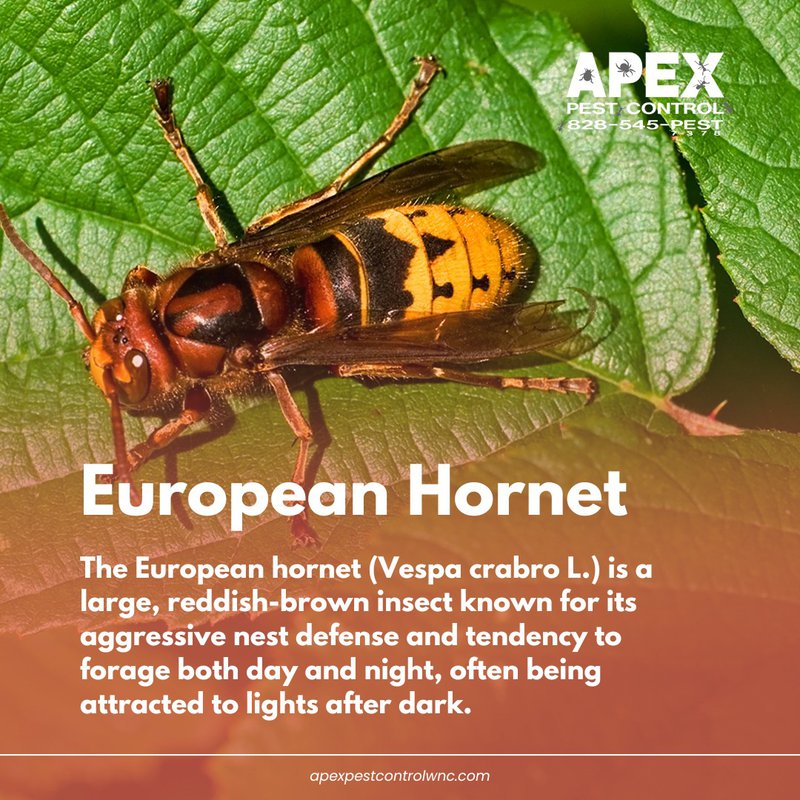
This reddish-brown to black insect can grow over an inch in length. Often attracted to the light at night, the European hornet (Vespa crabro L.) frequently bangs against windows or porch lights. They forage both during the day and night and defend their nest sites fiercely.
Carpenter Bees
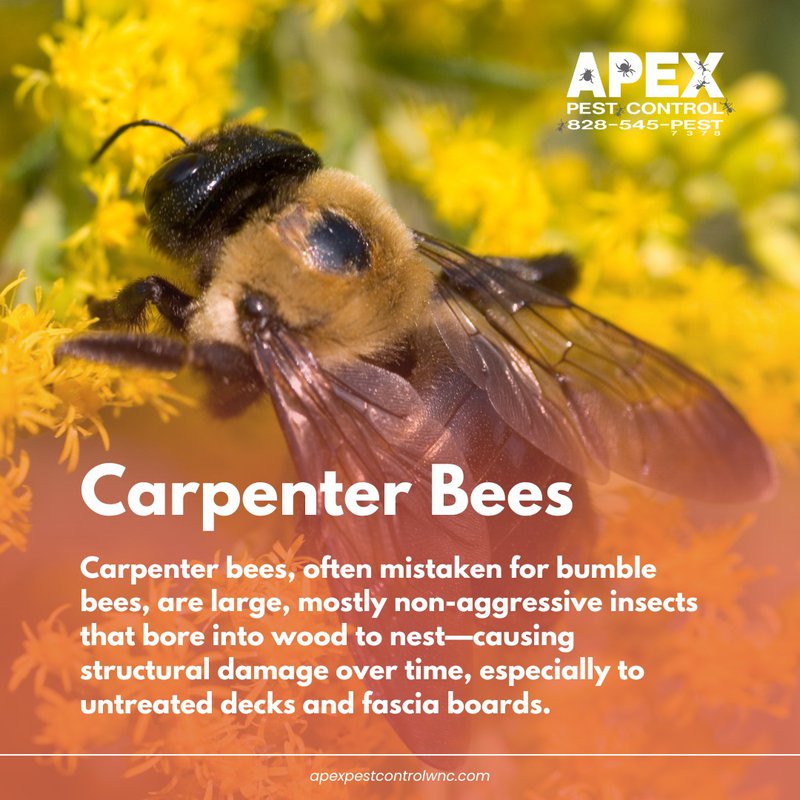
Unlike the others, carpenter bees are large and not overly aggressive. Most common in NC state are the Eastern (Xylocopa virginica) and Southern (Xylocopa micans). That said, they bore small holes into wood, especially untreated decks and fascia boards. Over time, their nesting behavior causes real structural damage. They’re often mistaken for bumble bees, but look closely and you’ll spot the hairless black abdomen.
Honey Bees & Bumble Bees
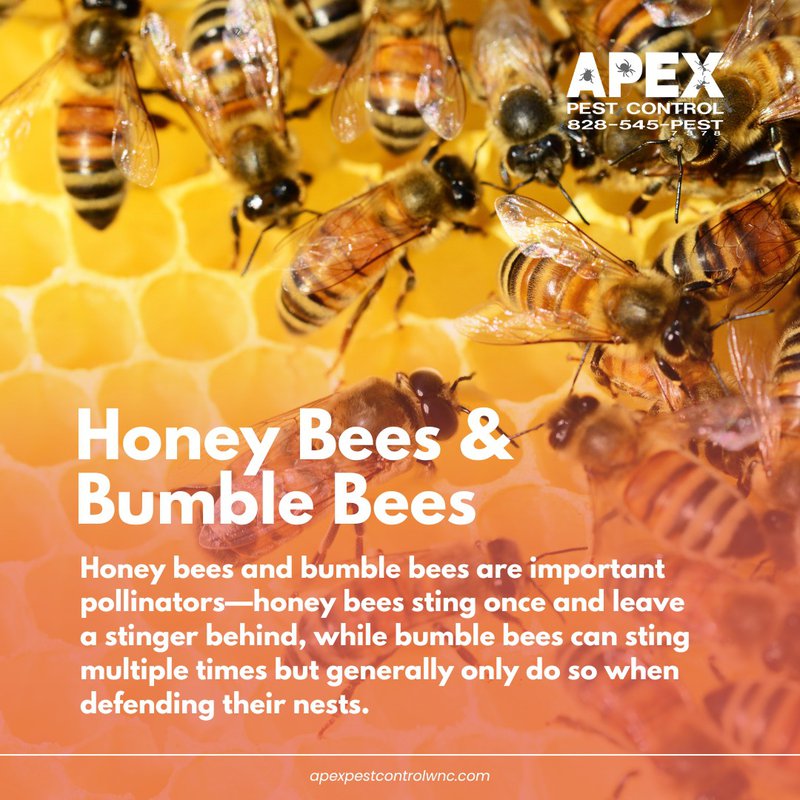
Both are types of bees vital to pollination. While a honey bee will sting only once, it leaves behind the stinger, which you should remove carefully. Bumble bees are stockier and may sting multiple times but usually only in defense of their nests. Both should be protected whenever possible.
Fire Ants
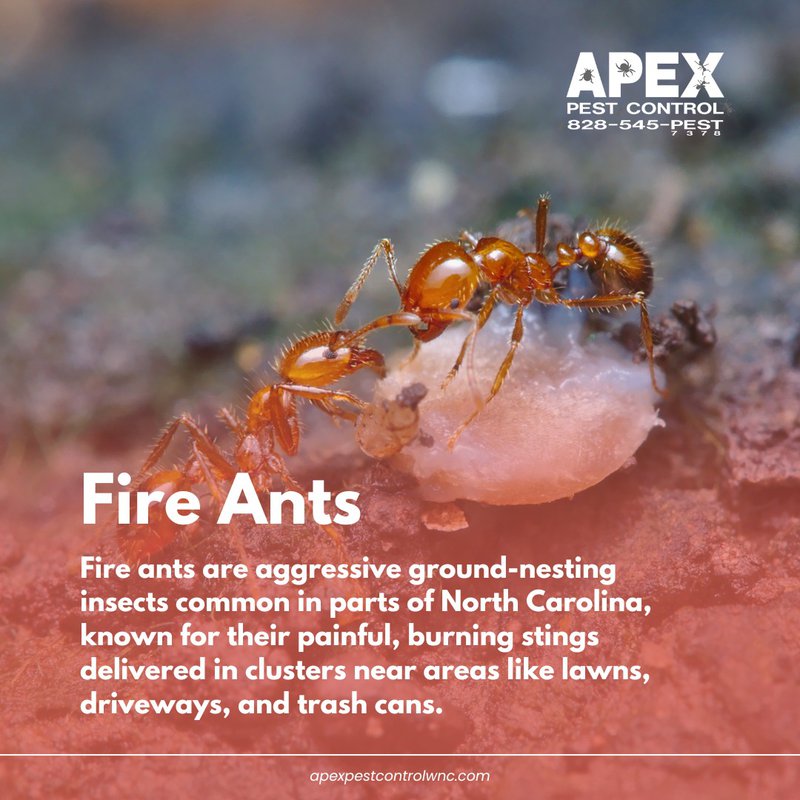
A less obvious but equally problematic stinging insect, fire ants are notorious in parts of North Carolina. They nest in the ground, often near trash cans, driveways, or lawns. Their sting feels like fire, hence the name and they bite in clusters.
Cicada Killers
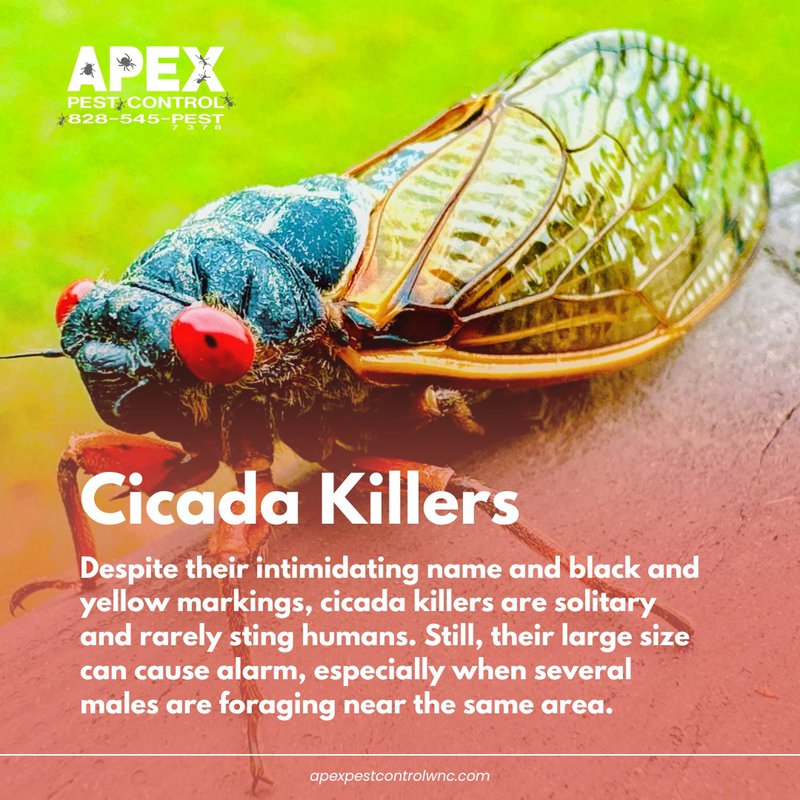
Despite their intimidating name and black and yellow markings, cicada killers are solitary and rarely sting humans. Still, their large size can cause alarm, especially when several males are foraging near the same area.
The Risks: From Pain to Allergic Reactions
Not everyone reacts the same to a sting. For many, it’s just temporary swelling and pain. But for others, even one sting can trigger allergic reactions, hives, difficulty breathing, or worse.
Some species, like yellow jackets and hornets, can sting multiple times without losing their stinger. When wasp stings happen in quick succession, the risk of anaphylactic shock increases. And stings near the throat, eyes, or inside the mouth (yes, it happens) are considered medical emergencies.
Even beneficial insects like honey bees can be a risk when they build nests too close to where people or pets hang out. And while it’s true that most insects that live near our homes aren't out to hurt us, when their nests are disturbed, their behavior shifts fast.
When and Where Stinging Insects Become a Problem
Stinging insects in NC are active from early spring through late fall. Queens emerge first in spring to scout nest sites, and by summer, colonies are well established. The risk peaks in late summer when colonies are largest and food becomes scarcer, making insects more aggressive.
Look for nests:
- Under decks
- In attics
- Inside wall voids
- Behind shutters
- Around trash cans and compost bins
- Beneath eaves and soffits
Sometimes they even spray into the nest when threatened especially wasp species like bald-faced hornets. You’ll know when you’ve crossed the line.
Why DIY Can Be Risky
It might seem simple: grab a can of spray, wait until nightfall, and aim. But here’s the thing: most sprays don’t reach the cavity where the entire colony lives. You might kill a few wasps or hornets near the surface, but the nest itself? Still active.
And here’s the scarier part: once disturbed, stinging insects are often highly defensive. If you’re standing on a ladder with nowhere to run, the consequences could be severe.
Also, spraying around trash cans, gardens, or near types of insects that play a beneficial role can create unintended harm to pollinators or pets.
How Apex Pest Control Helps
At Apex Pest Control, we understand the dangers of stinging insects, and more importantly, we know how to safely and effectively get rid of stinging insects without risking your home or your health.
We don’t take a one-size-fits-all approach. Every stinging insect problem is unique. Some are types of wasps, others are black insects like hornets nesting in wall voids.
Our process includes:
- Careful stinging insect identification
- Inspection of potential nest sites and foraging areas
- Application of safe, effective treatments
- Advice on how to prevent stinging insects from returning
We’re also sensitive to beneficial insects like honey bees. In many cases, we coordinate with local beekeepers to relocate hives safely.
Prevention: What You Can Do
A few simple steps can help you keep stinging insects away:
- Seal openings around windows, siding, and rooflines
- Monitor eaves and decks for nest-building activity
- Keep food sealed and dispose of trash regularly
- Limit standing water—even a small amount of water can attract insects from foraging for food
- Call a professional pest control company like Apex at the first sign of a nest
One More Thing Before You Swat That Nest
Look, stinging insects in North Carolina are just part of the environment. That doesn’t mean you have to share your home with them. And let’s be honest, no one plans to get stung. It always happens when you're least expecting it. One minute you're watering the plants, and the next? You’ve stepped too close to a hidden wasp nest, and suddenly you're part of a live-action chase scene.
Whether you’re dealing with paper wasps, a buzzing nest in your attic, or a hornet problem near your porch, Apex Pest Control is here to help. We’ll identify and manage the threat, safely and effectively.
Because when it comes to stinging pests, it's better to be cautious. Maybe even overly cautious.
Need to remove a nest or protect your home from stinging insects in NC?
Call Apex Pest Control at (828) 545-7378 or visit apexpestcontrolwnc.com today.
We’ll help you reclaim your yard—and your peace of mind.